GET YOUR FREE SMART MOBILE CARD MACHINE

Beginners Guide to Payment Integration
Beginner’s guide to UK payment gateway integration, transparent fees, automation, and mobile ready checkout to boost sales.
11/25/20256 min read
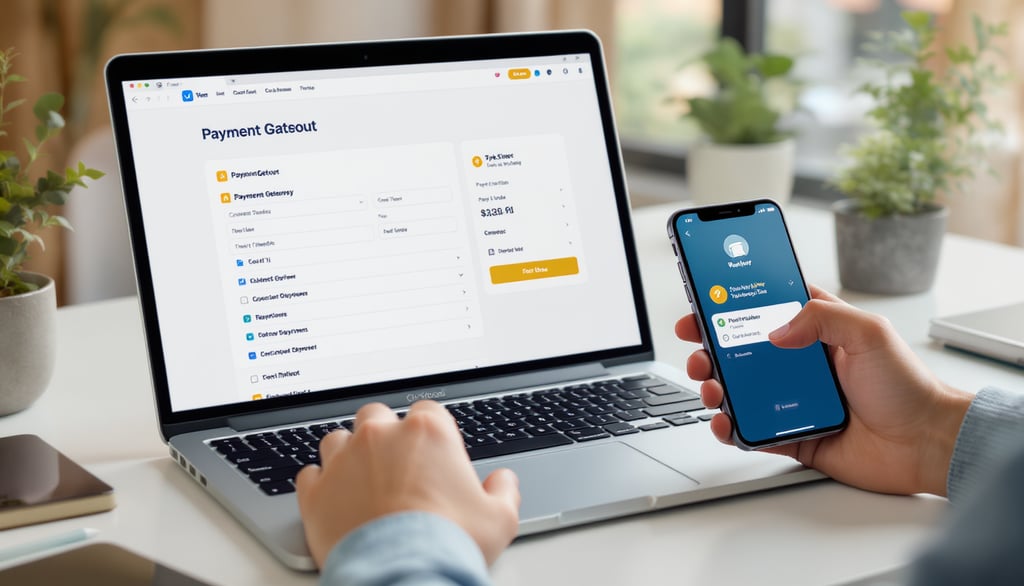
get your payment gateway here @free payment consulting.com
Beginner’s Guide to Payment Gateway Integration
9 min read
1621 words
In today's fast-paced eCommerce landscape, payment gateway integration isn't just a technical step, it's the lifeline of your online store. Without a smooth, secure, and reliable payment process, even the most beautifully designed websites can lose customers at checkout. Whether you're launching your first online shop or upgrading your current system, understanding how to connect a payment gateway and set up online payments is essential.
Payment gateways act as the bridge between your store and your customers' banks or digital wallets. They ensure funds are transferred securely, transactions are verified, and payment details are encrypted. In this guide, we'll walk through everything from the basics to advanced tips, making sure you have the payment gateway integration support you need.
Why Payment Gateway Integration Matters
The global eCommerce market is projected to reach $6.5 trillion in 2025 (Statista), and more than 73% of purchases happen via mobile devices (FastSimon, 2025). Payment gateways influence conversion rates, customer trust, and your ability to scale internationally.
In 2025, payment gateway innovation is no longer a luxury, it's a necessity. Consumers expect speed, convenience, and security as standard.
— Squadkin eCommerce Trends Report, 2025
A well-integrated gateway can reduce cart abandonment, offer preferred payment methods, and speed up checkout. In fact, studies show that a checkout process longer than 90 seconds can cause up to 20% of customers to drop off. Integration is about more than just accepting payments—it’s about creating a frictionless, secure path from product selection to purchase confirmation. For example, offering multiple payment options, such as credit cards, PayPal, and local e-wallets, ensures you’re meeting customers where they are. As your store grows, having a gateway that can handle higher transaction volumes without latency becomes critical to maintaining customer satisfaction.
Preferred Payment Method
As seen above, digital wallets dominate, and integrating them can significantly impact sales. Merchants who adapt quickly to these preferences often see an immediate boost in conversion rates and customer loyalty.
Choosing the Right Payment Gateway
Selecting the right gateway starts with understanding your audience. If you're selling globally, you'll need gateways that support multiple currencies and regional payment methods. Stripe, PayPal, Square, and Authorize.Net are popular choices for beginners due to their ease of integration.
Consider:
Compatibility: Does it work with your eCommerce platform (Shopify, WooCommerce, Magento)?
Fees: Transaction fees vary; compare them carefully.
Features: Look for fraud prevention, recurring billing, and mobile optimization.
Security: Ensure PCI DSS compliance.
Trust in your payment process directly translates to higher conversions. PCI DSS compliance and visible security markers reassure customers and reduce friction.— BigCommerce Trends Analysis, 2025
Additionally, think about your target market’s payment preferences. For example, if your store targets younger demographics, integrating BNPL options like Klarna or Affirm might be more important than supporting legacy payment methods. Businesses focusing on enterprise clients may require ACH transfers or invoicing capabilities. Geographic coverage is also essential, some gateways excel in certain regions but have limited reach elsewhere. For instance, Razorpay is strong in India, while Adyen offers robust global coverage. Another factor to weigh is settlement speed; some gateways release funds within 24 hours, while others may take several business days. Fast settlements can improve cash flow, which is crucial for new businesses. Finally, review customer support quality issues with payment processing can arise at any time, and having reliable, 24/7 support can save you from costly downtime.
Matching Our Recommended Gateway to Your Platform
When you obtain the gateway that aligns with your customers' needs, the next step is connecting it seamlessly to your platform. Our team at https://freepaymentconsulting.com/ can walk you through the exact process so your store is ready to accept payments without delays.
Step-by-Step Guide to Connecting Your Payment Gateway
Here's a beginner-friendly roadmap:
Sign Up: Create an account with your chosen gateway.
Verify Your Business: Complete KYC checks and provide necessary documents.
Enable Merchant Settings: Configure your store's payment settings.
Install Plugin or API: For Shopify, WooCommerce, and others, install official plugins or use API keys.
Test Mode: Run test transactions to ensure everything works.
Go Live: Switch to live mode and start processing payments.
Many beginners skip the testing phase, which can lead to failed transactions and lost trust. Always simulate different scenarios—credit card, digital wallet, BNPL to verify functionality. It’s also wise to test for edge cases, such as expired cards or insufficient funds, to ensure error messages are clear and helpful. Document your integration steps, so if you change platforms or upgrade your gateway, you can replicate the process quickly. Additionally, check if your gateway supports webhook notifications, which can automate order status updates when payments are confirmed. This not only improves operational efficiency but also enhances the customer experience by providing instant confirmation. By following a structured, methodical integration plan, you minimize risks and ensure a smooth launch.
Optimizing Your Online Payment Setup
Beyond integration, optimization is where you can boost conversions. Offer guest checkout to reduce abandonment by up to 35% (OptinMonster, 2025). Display shipping costs early. Implement one-click payment options for returning customers.
Mobile optimization is critical—over 73% of purchases are made via mobile. Ensure your payment forms are responsive and load quickly. Consider adding progress indicators during checkout to reassure customers of how close they are to completion. Offering localized payment methods for international customers can also improve conversions; for example, supporting iDEAL in the Netherlands or Alipay in China.
Mobile-first payment gateway integration is now critical. If your checkout isn’t optimized for mobile, you’re losing the majority of potential buyers.
— FastSimon, 2025
You can further optimise by integrating address auto-complete features, saving customers time and reducing form errors. Security seals, such as SSL badges, should be prominently displayed to build trust. Regularly review analytics to identify drop-off points in the checkout process and adjust accordingly. A/B testing different payment layouts can uncover subtle improvements that yield significant gains.
Common Mistakes to Avoid
Beginners often:
Choose gateways without checking regional support
Ignore testing in live environments
Fail to communicate payment security to customers
Neglect mobile optimisation
Each of these can hurt your sales and reputation. For example, selecting a gateway that doesn’t support your customers’ preferred currency can lead to abandoned carts. Similarly, failing to optimise for mobile can alienate a majority of users who shop via smartphones. Another common error is overlooking the importance of clear refund and dispute policies linked to your payment process customers who can’t find these details may hesitate to purchase.
Avoiding Costly Integration Errors
If you're unsure whether our gateway supports all your target regions or payment types, let our experts at https://freepaymentconsulting.com/ review your setup before launch. This can save you from expensive mistakes.
Finally, avoid relying solely on one payment method. If that method experiences downtime, you could lose significant revenue. Redundancy through multiple gateways is a strategic safeguard.
Advanced Considerations & Trends
As your store grows, consider:
Multi-Gateway Support: Reduces downtime and offers flexibility.
AI-Powered Checkout: Auto-fills payment details, speeding up transactions.
Fraud Prevention Tools: AI-driven systems detect suspicious activity in real-time.
Composable commerce is becoming popular, allowing you to swap payment modules without overhauling your site. BNPL continues to expand, appealing to younger buyers who value flexibility. Cryptocurrency payments are also on the rise, with gateways like BitPay enabling Bitcoin transactions for merchants seeking to attract tech-savvy customers. Tokenization technology is another trend, replacing sensitive card data with unique identifiers to further protect against breaches. As regulations evolve, staying compliant with data privacy laws like GDPR and CCPA will be crucial for maintaining trust and avoiding penalties.
Tools and Resources for Integration
Use official documentation from your gateway provider. Platforms like Shopify and WooCommerce have detailed integration guides. Test with sandbox accounts before going live.
External resources:
Stripe Docs: https://stripe.com/docs
PayPal Developer: https://developer.paypal.com
WooCommerce Payments: https://woocommerce.com/payments
These resources, combined with professional integration support, can make the process smoother. Developer forums and community groups can also provide real-world troubleshooting tips. For more complex setups, consider using API testing tools like Postman to simulate payment calls and verify responses. Additionally, project management tools like Trello or Asana can help track integration tasks, ensuring nothing is overlooked before launch. Investing time in training your team on payment system management will pay off in reduced downtime and quicker resolution of issues.
Conclusion
Payment gateway integration is more than connecting a tool, it's about creating a seamless, secure experience that builds trust and drives sales. From choosing the right gateway to optimising checkout, every step matters.
We’ve covered the essentials: selecting a gateway, connecting it, optimising for mobile, avoiding mistakes, and exploring advanced trends. Now, it’s your turn to take action. Remember that payment systems evolve quickly, staying informed about updates and new features can keep your store competitive.
By following this guide, you’ll be well-equipped to set up an online payment system that not only works flawlessly but also enhances your customers’ shopping experience. Prioritise speed, security, and convenience, and you’ll see the difference in your conversion rates. A well-executed payment integration can be the deciding factor between a one-time buyer and a loyal customer. Start planning your integration today, and consider professional support to ensure success. Your checkout process is the final step in your customer’s journey, make sure it’s one they’ll want to repeat.
Free Consulting
Expert advice for your business needs, save and succeed today.
contact
info@freepaymentconsulting.com
023 8111 2209
© 2025. All rights reserved.
contact form